What AI Risks Should I Consider as Part of the M&A Process?
Dear Will & AiME,
Our company is evaluating a potential acquisition, and the target business relies heavily on AI across its operations. We understand how to review financials, contracts, and intellectual property, but AI feels like a new category of risk. What should buyers be looking at during due diligence?
— Corporate Development Director, Atlanta
Short Answer 💡
AI due diligence in M&A should focus on identifying where AI is used, who owns the underlying data, what vendor dependencies exist, and whether governance practices are in place. Companies with strong AI governance often deliver greater value and operational continuity post-close.
Dear Corporate Development Director,
AI is now part of the due diligence process.
A few years ago, buyers focused on revenue, customer contracts, intellectual property portfolios, and regulatory compliance. Today, many companies rely on AI for product development, customer service, software coding, marketing, data analysis, and internal operations.
As AI becomes embedded in business processes, buyers can identify competitive advantages and value drivers.
Where Is AI Actually Being Used in the Business?
The first question is simple: where is AI actually being used?
Many organizations do not have a complete inventory of AI tools operating within the business. Different departments may use different platforms, and employees may have built AI workflows without formal approval.
Buyers should identify:
AI platforms and vendors
Customer-facing AI applications
Internal AI tools and automations
AI-assisted software development
AI-generated content and marketing materials
A company's AI footprint often extends further than leadership realizes, creating opportunities to uncover additional value.
Who Owns the Data Behind the AI?
AI systems depend on data. Buyers should understand what information has been shared with AI platforms and what rights apply to that data.
Key questions include:
Who owns the underlying data?
What rights do vendors have to use it?
Was confidential information shared with public AI systems?
Are there restrictions on future use of AI-generated outputs?
The data behind AI often holds significant value.
Data rights, licensing terms, and confidentiality practices can have a significant impact on future operations.
AI Vendor Contracts Are a Key Diligence Area
AI vendors are becoming critical business partners.
Many organizations rely on a small number of providers for essential functions, including customer support, software development, analytics, and content generation.
Buyers should review:
Vendor agreements
Service dependencies
Liability limitations
Data usage provisions
Termination rights
Business continuity planning
A company’s AI efficiency often reflects strong vendor relationships that support operational continuity.
How Should Buyers Evaluate AI Intellectual Property and Governance?
AI raises new intellectual property questions during diligence.
Buyers should assess:
Ownership of AI-assisted work product
Employee agreements covering AI-generated assets
Trade secret protection practices
Documentation of AI development processes
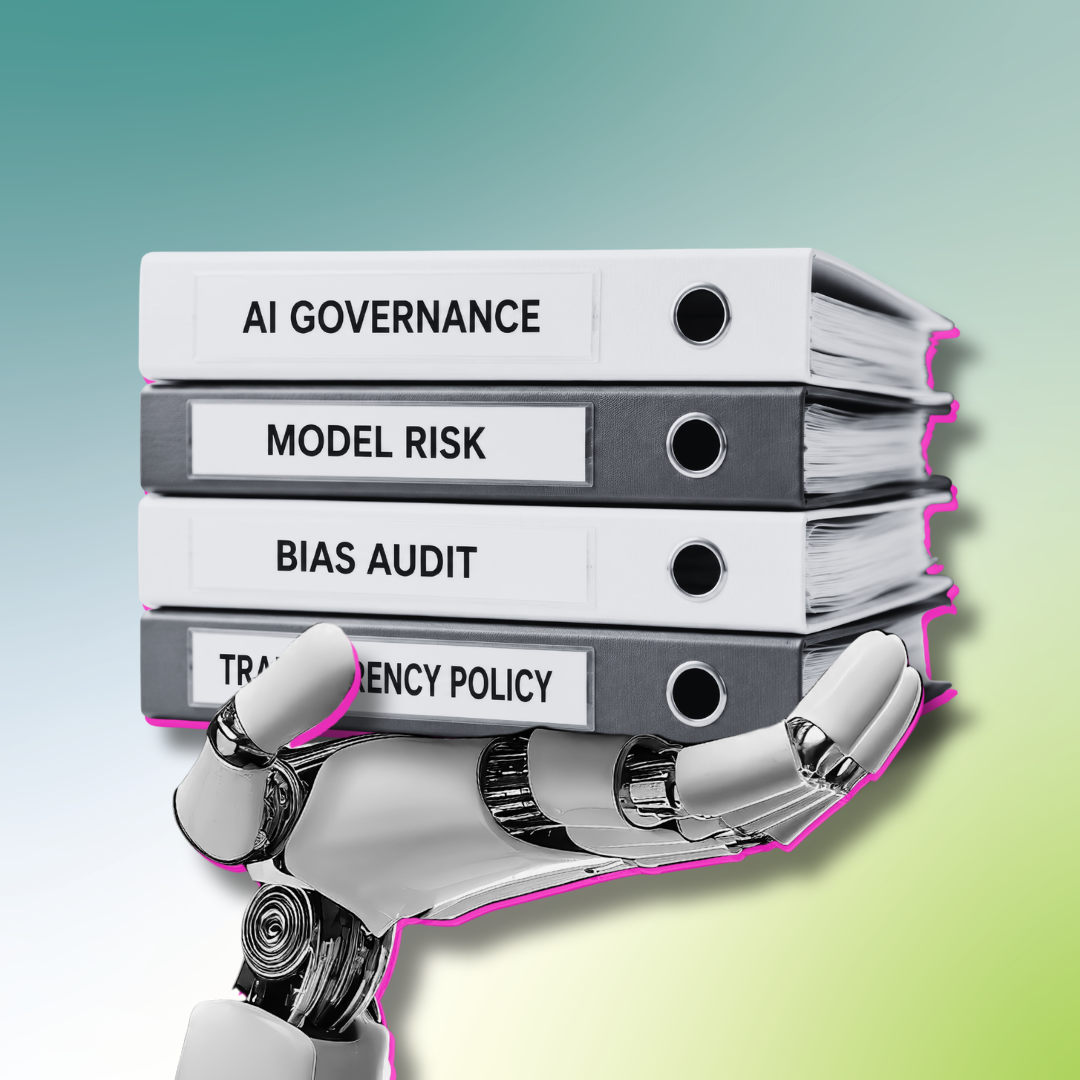
Governance policies and training programs
Strong governance increases confidence in the sustainability of AI-driven operations.
The goal is to understand whether AI has been deployed intentionally and responsibly.
How to Conduct AI Due Diligence in Practice
A practical approach is to treat AI as a separate diligence workstream alongside legal, financial, technology, and cybersecurity reviews.
Request documentation regarding AI policies, vendor relationships, approved tools, data governance practices, and material AI use cases.
Interview operational leaders to understand how AI influences day-to-day business decisions.
Evaluate whether the target company's AI practices align with your organization's goals and long-term strategy.
AI Is a Strategic M&A Opportunity
AI is a meaningful business asset.
Companies that understand their AI ecosystem, data rights, vendor relationships, and governance practices are often better positioned for long-term growth.
Buyers who evaluate AI thoughtfully during due diligence will gain a clearer picture of what they are acquiring and how sustainable that value will be after the transaction closes.
— Will & AiME
Three Takeaways:
AI usage, vendor relationships, and data rights are becoming important areas of M&A due diligence.
Buyers should evaluate ownership, governance, and operational dependence on AI systems.
A strong AI governance framework enhances value and supports long-term growth.