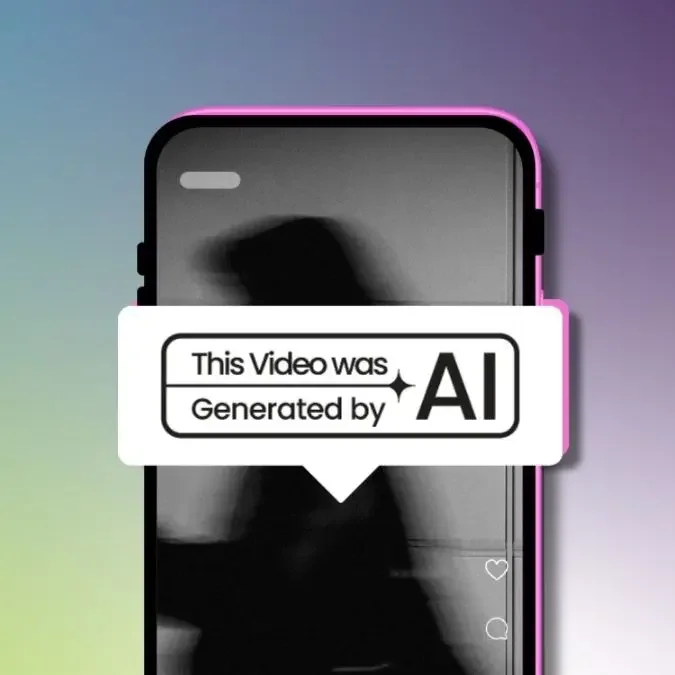
How Do I Stay Ahead of AI Fakes in Sports Media?
Dear Will & AiME,
I work on the digital team for a professional sports organization. Lately, we’re seeing a surge in fake social posts, fabricated headlines, and AI-generated “news” about players and teams. Some of it looks very real and spreads fast. From a business standpoint, how serious is this issue, and what can teams and brands realistically do about it?
— Digital Strategy Lead at a Sports Organization
Short answer 💡
AI-generated fakes pose a growing reputational and commercial risk in sports media by spreading convincing false content at scale. Teams and brands should strengthen monitoring, clarify official channels, and coordinate legal and communications responses to protect trust.
Dear Digital Strategy Lead at a Sports Organization,
AI fakes are becoming a challenge across the sports ecosystem. AI tools make it easy to generate convincing but false sports content at scale—fake quotes, made-up trades, fabricated injuries, and misleading memes that blur the line between parody and misinformation. This creates a lack of trust, impacting teams, leagues, sponsors, and media partners.
What’s Driving the Rise of AI Fakes in Sports Media?
Access to generative AI without restrictions makes it easy for bad actors to create convincing fake content. A bogus headline, a team-branded graphic, or a 'breaking news' post that looks like the real thing can be generated in seconds. This content spreads like wildfire because sports fans are so passionate and quick to share.
Unlike obvious hoaxes, many of these posts are designed to feel believable. They reference real players, current storylines, and familiar visual styles. By the time corrections appear, the damage is done.
Why AI Fakes Are a Business Risk for Teams and Brands
It's a direct reputational hit. False statements about players or coaches can tarnish their personal brands and the team's credibility, and the damage can stick even after a correction is issued.
It skews your engagement. Fake content might generate a lot of buzz, but that engagement is hollow and ultimately undermines fan trust in your official communications.
It impacts your revenue. Sponsors and advertisers get nervous when their brands are associated with misinformation, and they may pull back if fake stories are constantly swirling around a team.
It's a massive resource drain. Your communications, legal, and marketing teams end up playing whack-a-mole with fake stories instead of focusing on proactive campaigns.
How Sports Organizations Can Manage AI Fake Content
Start by reinforcing official channels. Make it very clear where fans can find verified updates. Consistency across platforms helps fans learn what “real” looks like.
Invest in monitoring. Social listening tools, some powered by AI, can flag suspicious content early, giving teams a chance to respond before it spreads widely.
Educate your audience. Let fans know that AI-generated fake sports content exists and encourage verification before sharing. A more informed audience slows the spread.
Coordinate internally. Legal, PR, marketing, and digital teams should have a shared playbook for responding to misinformation, including when to correct, when to escalate, and when to let something fade.
Fight fire with fire by using AI defensively. The same technology that creates fake content can also help spot it by identifying patterns and inconsistencies that don't match your official communications.
When necessary, use legal tools. In cases involving false trademark use, defamation, commercial harm, or impersonation, takedown requests or legal action may be appropriate, especially when sponsorships or licensing rights are affected.
AI isn’t the enemy. The sports industry benefits enormously from AI through analytics, fan engagement, training tools, and content creation. The challenge is managing misuse without shutting down innovation.
Organizations that treat trust, verification, and brand protection as strategic assets, not afterthoughts, will be better positioned as AI-generated content becomes more common.
— Will & AiME
Three Takeaways:
AI makes it easier to create convincing content that spreads quickly and can harm brands.
Businesses should focus on monitoring, audience education, and clear official communication channels.
Using AI defensively and coordinating legal and PR responses helps protect trust and long-term value.