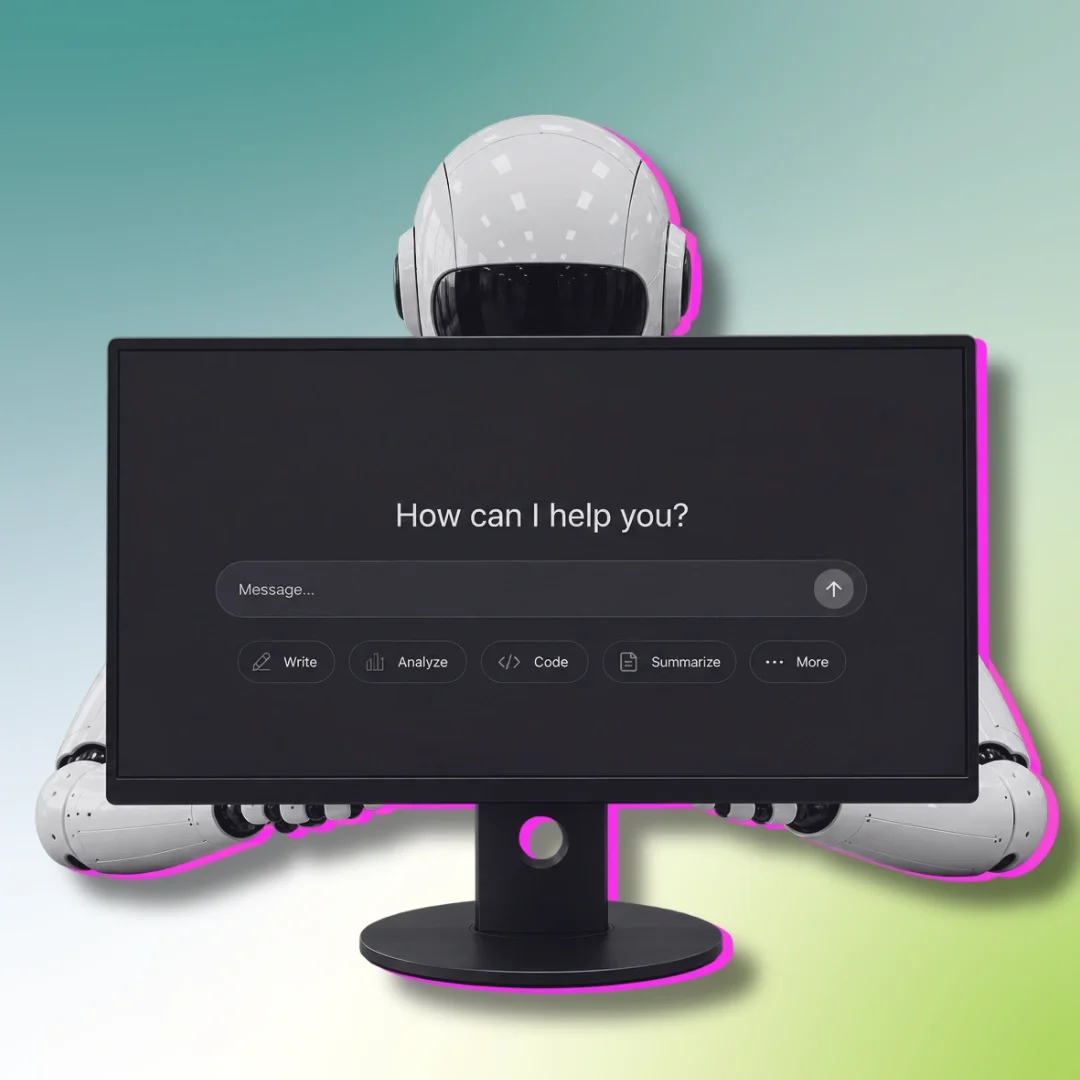
Are AI Agents Allowed to Shop, Scrape, and Act on My Website?
Dear Will & AiME,
We’ve spent years designing our website for human customers. Now AI assistants and shopping agents are accessing product information, comparing prices, and taking actions for users. Should we be treating these AI agents differently from ordinary website visitors?
— E-Commerce Director, Chicago
Short Answer 💡
Businesses should treat AI agents differently from human website visitors because they can browse, scrape, compare, submit forms, and complete transactions at scale. Update your website terms, technical controls, and transaction processes to address automated access, purchasing, and data use while deciding which AI agents to welcome as a new sales channel.
Dear E-Commerce Director,
Websites were built for people: a visitor reads content, clicks buttons, and decides whether to buy, subscribe, or contact the company.
AI agents expand that model. Software now browses websites on someone’s behalf, collecting information, comparing products, completing forms, initiating transactions, or interacting with other automated systems.
For businesses, the key opportunity is defining what AI systems are permitted to do on your website.
How AI Agents Are Changing Website Traffic
Traditional web crawlers collected information for search engines. Newer AI agents are far more active.
An agent could research products for a customer, summarize your pricing, add an item to a cart, request a quote, schedule an appointment, or potentially accept contractual terms.
This creates an important distinction between passive access and active participation. Businesses should evaluate whether their current website terms, technical controls, and transaction processes account for automated actors.
Do Your Website Terms Cover AI Agents?
Many website terms of use address bots, scraping, automated access, or data extraction, but those provisions may predate autonomous AI agents.
Review whether your terms address automated browsing, scraping, purchasing, account creation, form submission, API interaction, and use of website content to train or operate AI systems.
The strategic question arises when an AI agent takes actions with legal consequences. If an agent clicks “I agree,” submits an order, or accepts a commercial term on behalf of a customer, businesses should confirm the user authorized that action and that the transaction process provides sufficient evidence of consent.
How AI Agents Affect Your Brand and Intellectual Property
AI agents are reshaping how customers experience your brand. A customer may never visit your website directly. Instead, an AI assistant may summarize your product, compare it with competitors, display images, or describe your policies.
This intermediary layer creates new opportunities. Ensure that product descriptions, photographs, trademarks, databases, and other protected content are accessed or reused in ways consistent with your intellectual property strategy.
Brand accuracy matters. If an AI agent gives customers outdated pricing, incorrect warranty information, or inaccurate product descriptions, customers will associate that experience with your company.
Should You Block AI Agents or Welcome Them?
AI agents can become an important new sales channel. Customers may increasingly say, “Find me the best option under $500 and order it,” rather than visiting five websites personally.
Businesses can distinguish between desirable agents and unwanted automation. Practical approaches include authorized APIs, structured product feeds, agent-specific access rules, rate limits, authentication tools, or technical methods that allow trusted agents to interact with certain functions while restricting bulk scraping.
The goal is to decide which agents you want to welcome and what they are allowed to do.
Cybersecurity Planning for AI Agent Access
Automated systems with greater transactional capabilities require cybersecurity planning. Plan for scenarios where bots attempt to impersonate legitimate agents, scrape information, abuse promotions, create fraudulent accounts, or manipulate systems through prompt injection.
Businesses introducing agent-friendly functionality should coordinate legal, IT, cybersecurity, e-commerce, and fraud teams.
How to Prepare Your Website for AI Agents
Review website terms, bot and scraping provisions, purchase flows, API permissions, authentication controls, and logging practices with AI agents in mind.
Identify which actions an automated system can take without human review and which require additional confirmation.
Intentionality matters. Many companies have automated visitors interacting with systems that were never designed to distinguish between a person, a search crawler, a shopping agent, or something more sophisticated.
AI agents create valuable new ways for customers to discover and purchase products. They also present opportunities to refine contracts, intellectual property strategy, brand control, privacy practices, cybersecurity, and authorization processes.
— Will & AiME
Three Takeaways:
Review website terms and technical controls to determine whether they adequately address AI agents and automated transactions.
Decide which AI-agent activities your business wants to encourage, restrict, or require additional authorization for.
Treat agent access as a combined business, IP, contractual, brand, and cybersecurity opportunity.